Inside the Mind of a Modern Sommelier: Ladislav Edr on Wine, Intuition and Hospitality
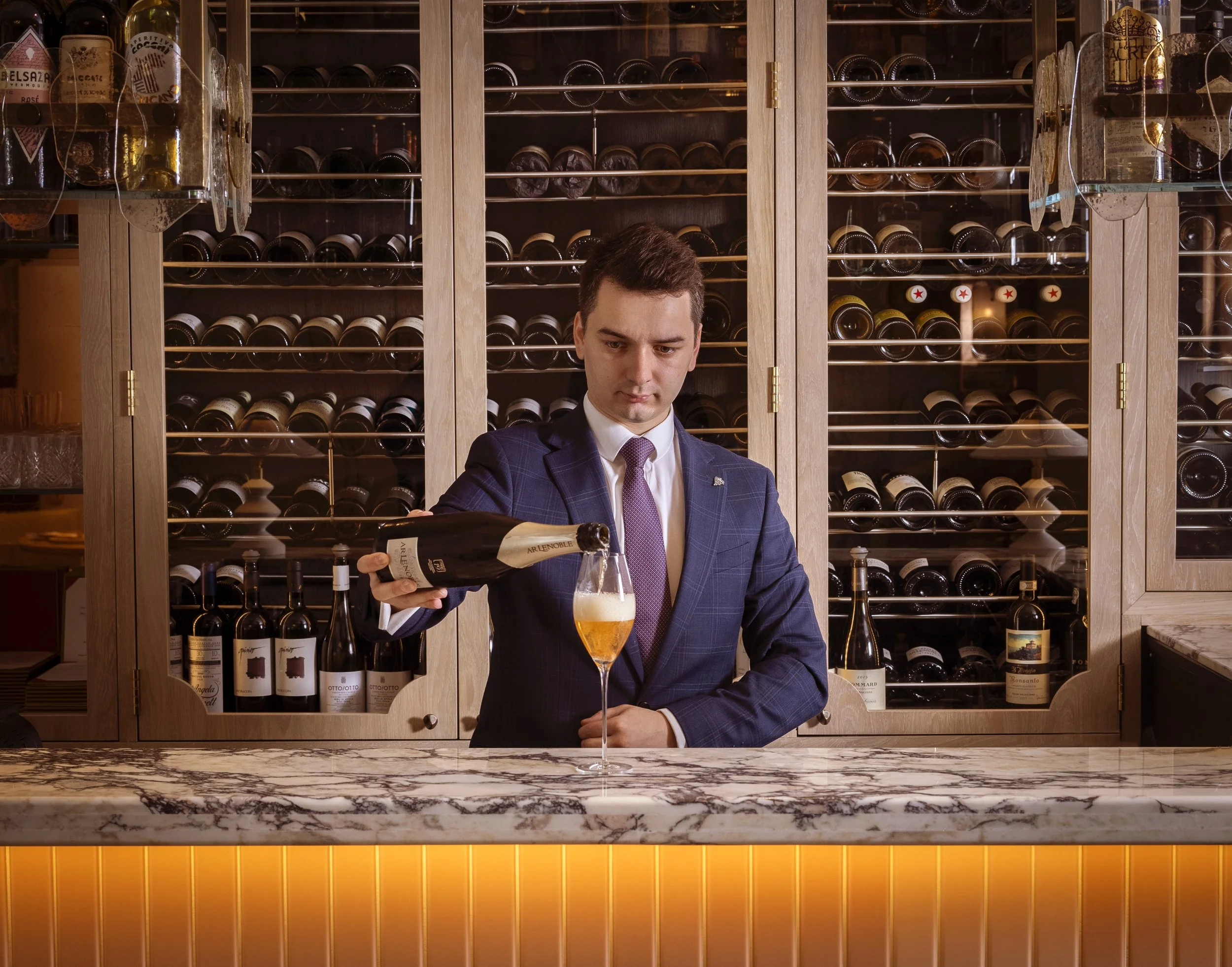
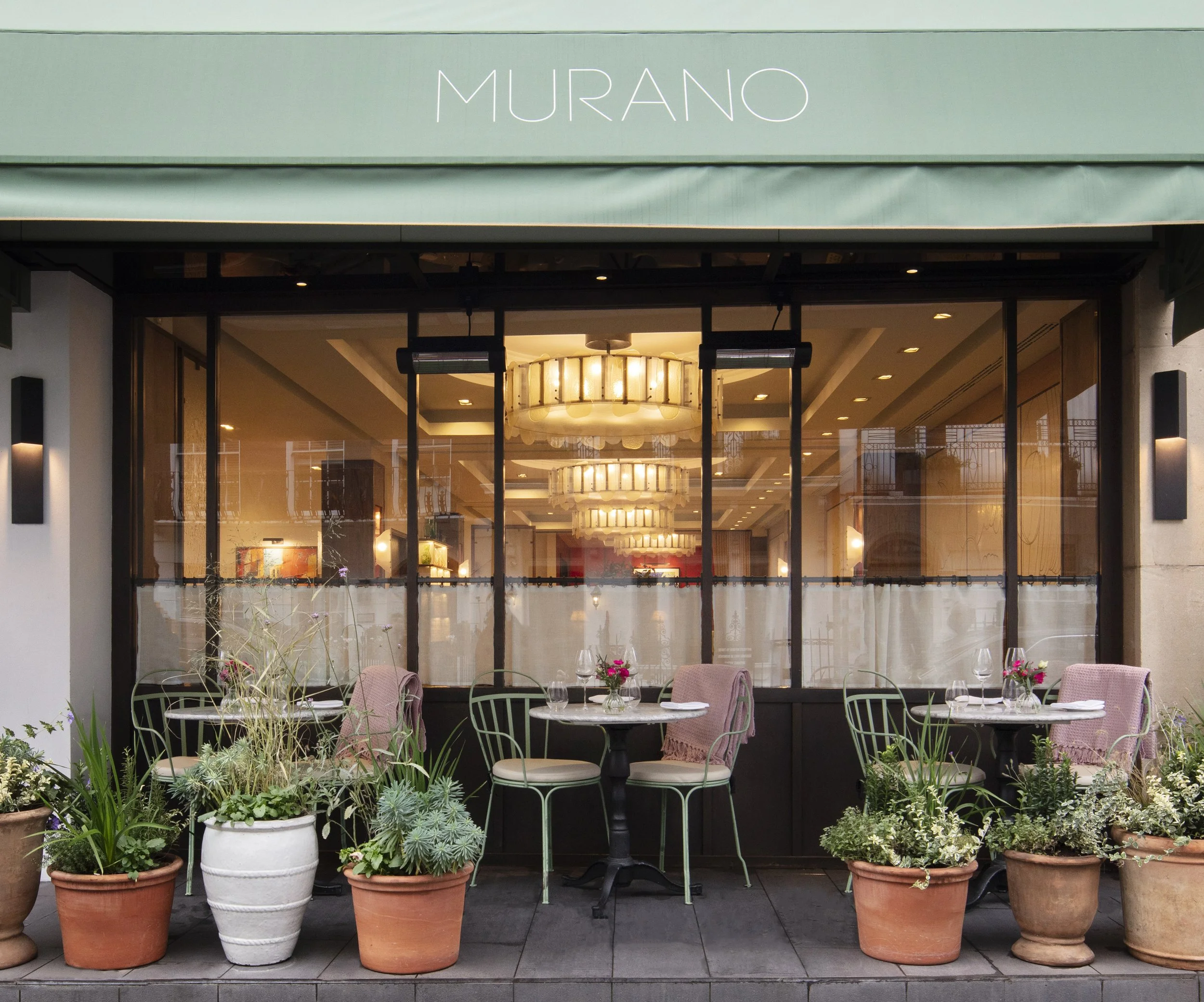
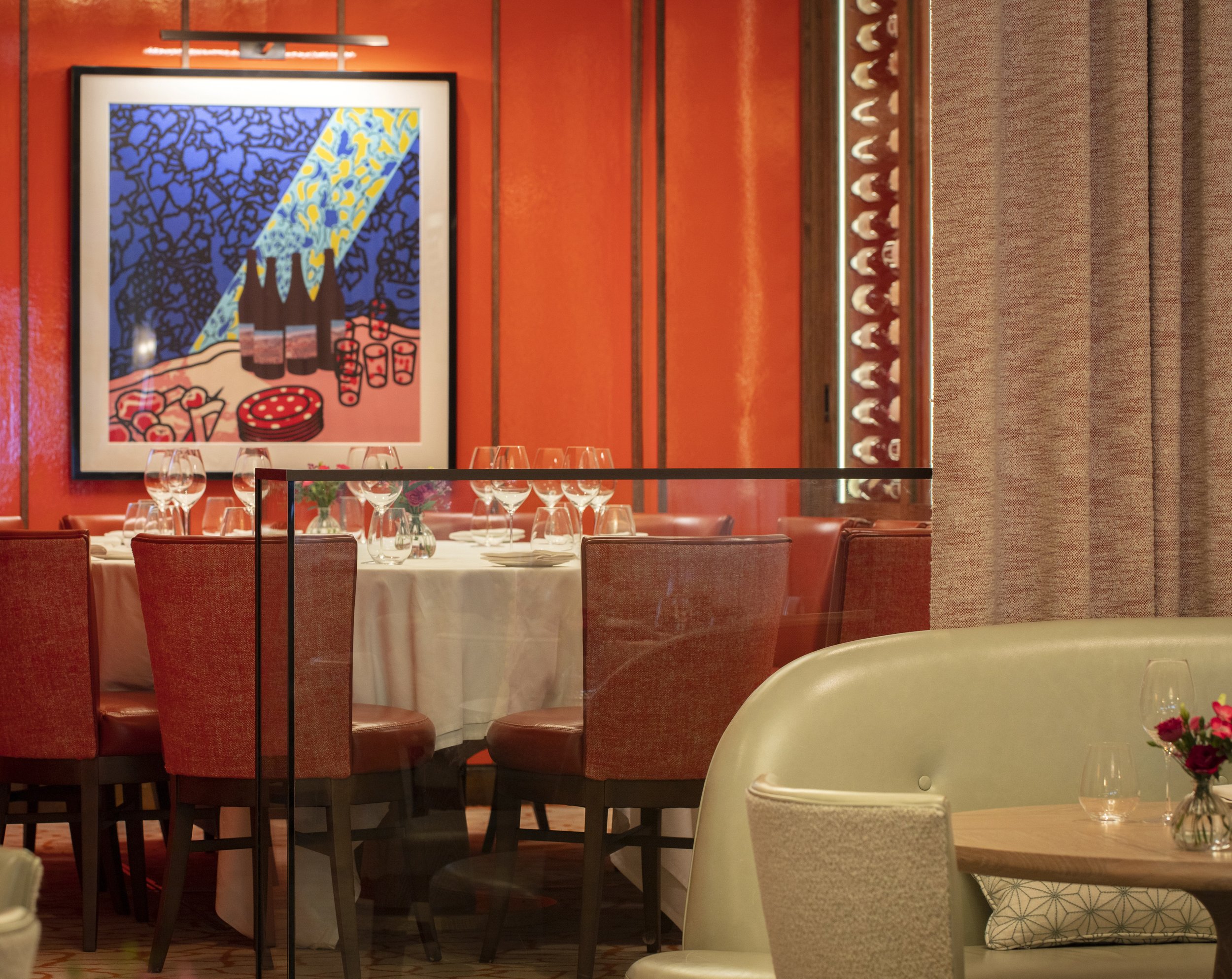
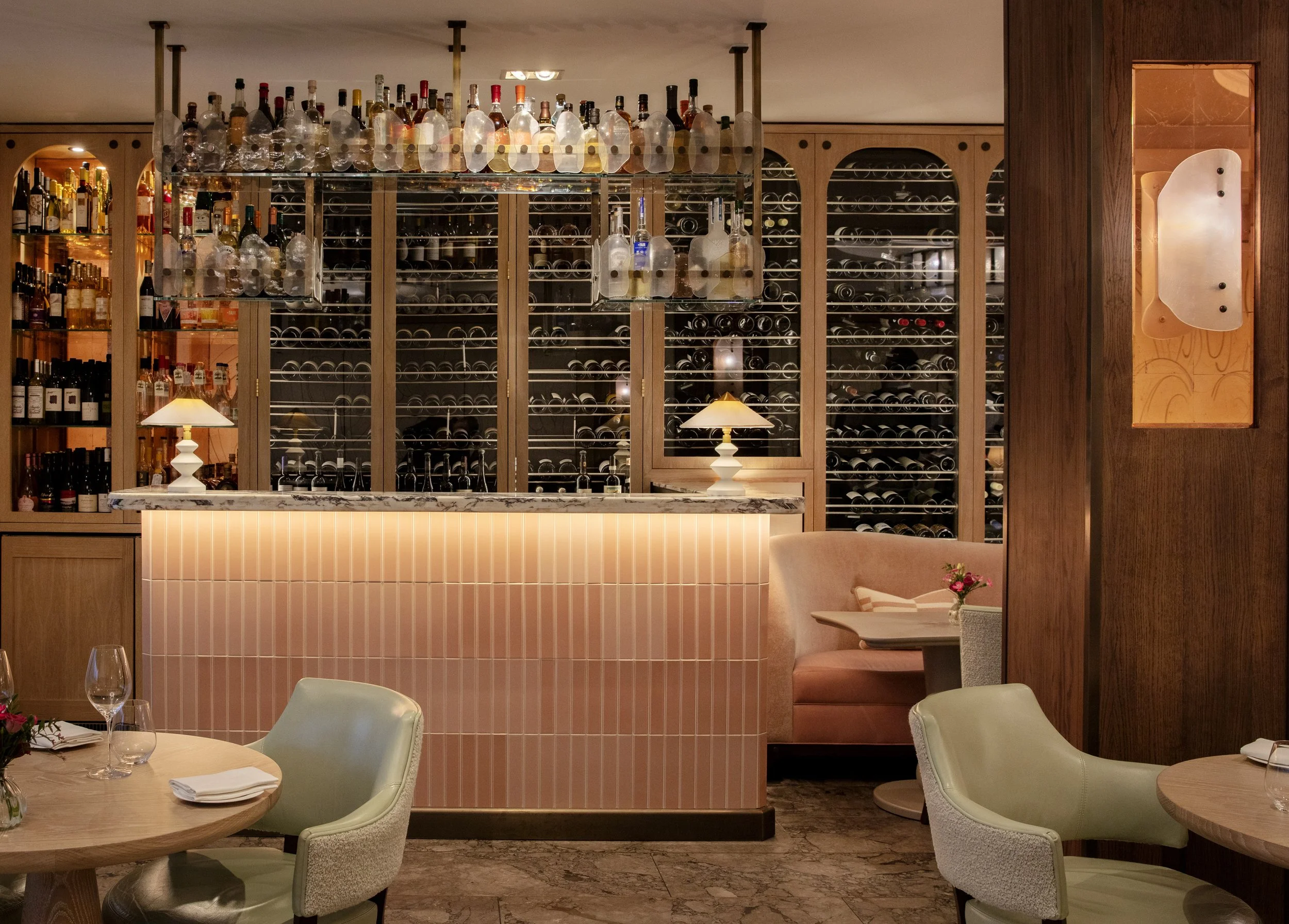
At Murano, Angela Hartnett’s Michelin-starred restaurant in Mayfair, the dining room carries an easy sense of balance - elegant but not austere, polished but never showy. The wine list, shaped by Head Sommelier Ladislav Edr, follows the same philosophy. His route into wine began over a decade ago in a small Prague bistro, where an unexpectedly good selection of bottles sparked a curiosity that has grown into a career defined by thoughtful sourcing, careful listening, and a genuine interest in how wine connects people.
Ladi speaks openly about the mentors who encouraged him, the regions and producers that continue to inspire him, and the importance of keeping the guest experience natural and human. His approach blends instinct with technical precision, but above all, a belief that wine should feel engaging rather than intimidating.
For this edition of Between the Vines – The Pour, we sat down with Ladi to discuss his journey, the evolving world of pairings, and why Valtellina, Styria, and even sparkling sake are currently capturing his imagination.
A beginning in Prague
What first drew you to wine, and how did your path lead you to Murano?
My journey into the world of wine began about a decade ago while I was working at a small Italian bistro in Prague. I came from a small town where the local agriculture was limited to potatoes, so the bistro's selection of 80 quality wines was a revelation. It was there that I was fortunate enough to meet Flemming Teilgaard Laugesen, a passionate wine importer and a true fanatic of natural wine.
Flemming introduced me to incredible producers like Emidio Pepe and Frank Cornelissen, and completely changed my perspective. He didn't just teach me the basics; he sparked a profound passion and showed me that wine is a living, breathing expression of the land. That initial spark set me on a path of relentless learning and exploration, which ultimately led me to the delightful role I have today at Murano.
Simplicity and identity
Murano has a spirit of elegant, understated Italian cooking. How does that shape the way you build the wine list?
Wine-list curation isn't just about selecting great wines; it's about curating a collection that reflects these core values in every bottle.
My primary focus is on sourcing from producers who are not only sustainable but who also have a strong sense of social and ethical responsibility. This means looking for winemakers who prioritise the health of their land, their staff, and their communities. We strive to feature wines that are made with minimal intervention, allowing the true character of the grape and the terroir to shine through — a perfect expression of simplicity and authenticity.
This commitment extends beyond wine to our selections of spirits and even water, ensuring that every element on the list tells a story of integrity and passion. It's about building a list that is both thoughtful and delicious, celebrating the very best of wine craftsmanship and a shared vision for a better future.
Reading the room
You’ve worked in Michelin-starred restaurants for years. What has that taught you about trust, communication and pairing?
Working in Michelin-starred restaurants has been a profound education, not just in wine but in the art of hospitality. Whilst I've always admired the classic, polished French style of service, these experiences have taught me to be more human and relaxed. The most rewarding moments often come from finding a way to connect with guests beyond the formal structure of service. Sometimes, a well-timed, slightly cheeky joke is the perfect way to break the ice and set a joyful, relaxed tone for the evening.
Pairings are a huge part of our rhythm. I love guiding guests toward the unexpected — the “geeky” wines they would never pick themselves. At Murano we often tailor pairings individually for each guest. That means building trust early, listening closely, and offering something that feels personal. When it works, it creates a moment that stays with people.
Balancing the familiar and the unknown
How do you decide which producers form the backbone of the list, and where to bring in discovery?
It comes quite naturally. Our wine list is relatively small — around 400 references — and we work with over 20 suppliers to really pick the cherries.
The first part is our core selection: long-standing relationships with producers whose wines consistently deliver quality, expression and a sense of place. These bottles offer comfort and familiarity.
The second part is where the excitement lies. This section is constantly evolving — new discoveries, recent tastings, and the “obscurities of the wine world.” Because we work with so many suppliers, we have access to incredible small-batch producers and emerging regions. Some wines appear for a few weeks, others for a few days. It keeps the list alive.
Regions of inspiration
Are there areas or producers you’re especially excited about right now?
Absolutely. I'm especially passionate about two regions that perfectly showcase the kind of wines I like to champion.
First, Valtellina. The Nebbiolo from this region is delicate, fragrant and intensely expressive — powerful and weightless at once. The winemakers craft wines with such grace and a clear sense of place.
More recently, my obsession has shifted to the wines of Styria, especially from Weingut Werlitsch. Their wines are alive with energy — precise, complex, vibrant. They may be slightly “geeky,” but they bring immense pleasure to both casual drinkers and connoisseurs. They’re pushing boundaries while creating wines that are deeply joyful.
Instinct and technique
Pairing is both analytical and intuitive. What does your process look like?
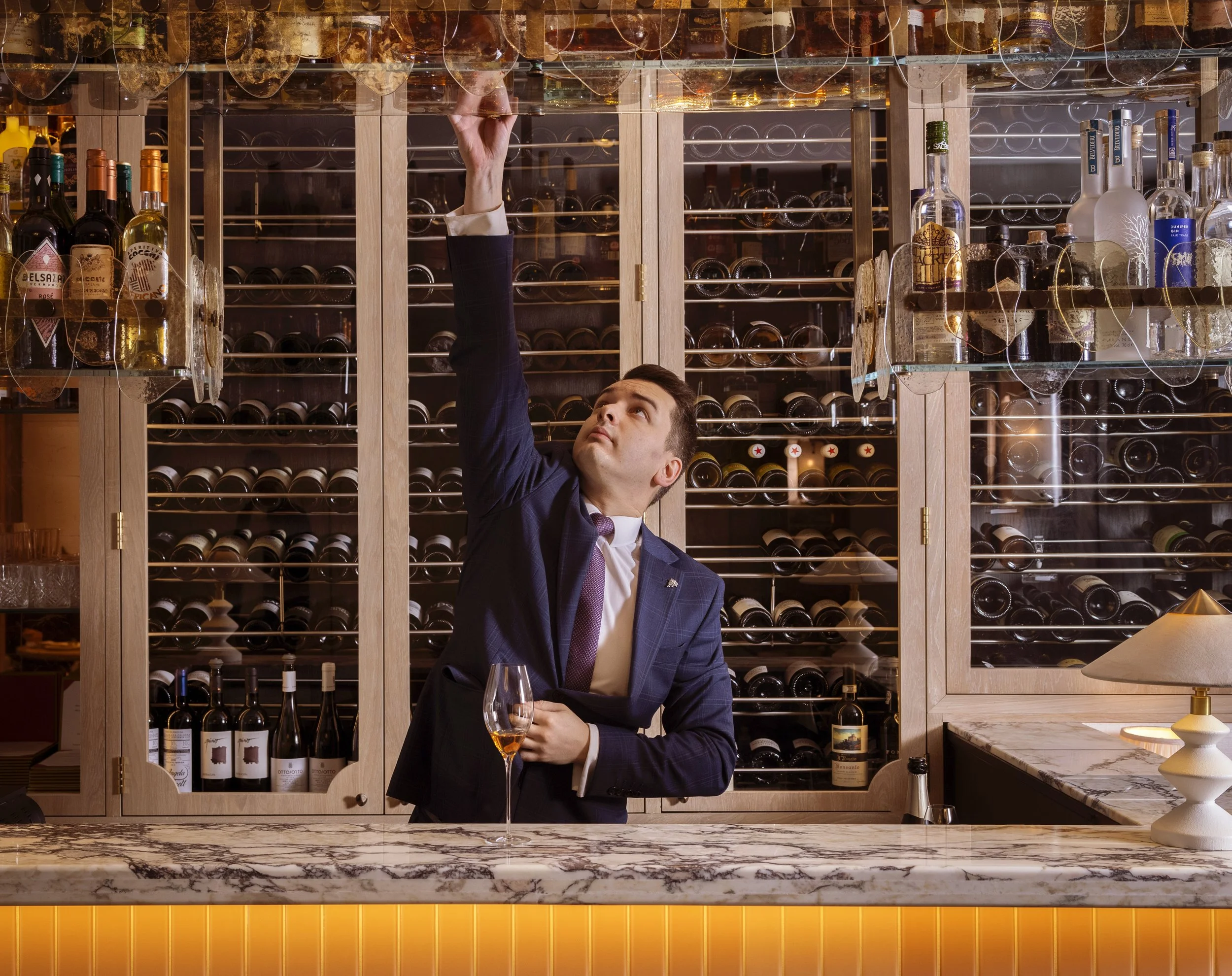
Crafting a pairing is a balance of technical knowledge and intuition — about a 50/50 split.
Dishes today are increasingly layered: sweet, sour, salty, umami, often all within a single plate. Intuition gives you the starting point, but from there it becomes technical. You have to taste the wine and the dish together repeatedly to understand how they interact. Does the pairing elevate the dish? Does it create a third flavour? Does it reveal something hidden in the wine?
When everything meets in the right place, it’s incredibly rewarding.
The heart of hospitality
What do you enjoy most about the sommelier–guest relationship?
Wine gives us an immediate way to connect. It’s a storyteller, a bridge to art, history, society and tradition. A bottle is a snapshot of a specific place and time.
But what I enjoy most is helping guests feel at ease. Fine dining can feel intimidating, and some people arrive nervous. Seeing someone relax, open up and genuinely enjoy themselves is the greatest reward. When that happens, you’ve done more than pour wine — you’ve created a moment.
Staying curious
Where do you look for inspiration?
Inspiration comes in small, constant doses. Even after years in fine dining, I feel like I’m still at the beginning. Every tasting, every conversation, every bottle opened brings something new. My palate and opinions are always evolving, and I expect they will for decades.
A new frontier
What are you most curious to explore next?
Lately, I’ve been drawn to the world of sake. After a brief “beer phase,” I’m now keen to dive fully into sake’s history and styles. Its versatility and depth make it a compelling beverage — delicate and floral on one end, rich and savoury on the other. And sparkling sake, in particular, feels on the edge of something exciting. I think it’s poised for major growth as an alternative to traditional sparkling wine.
It’s a whole new landscape of flavour, and I’m looking forward to exploring it.