Michelle Bouffard on Climate, Community and the Future of Wine
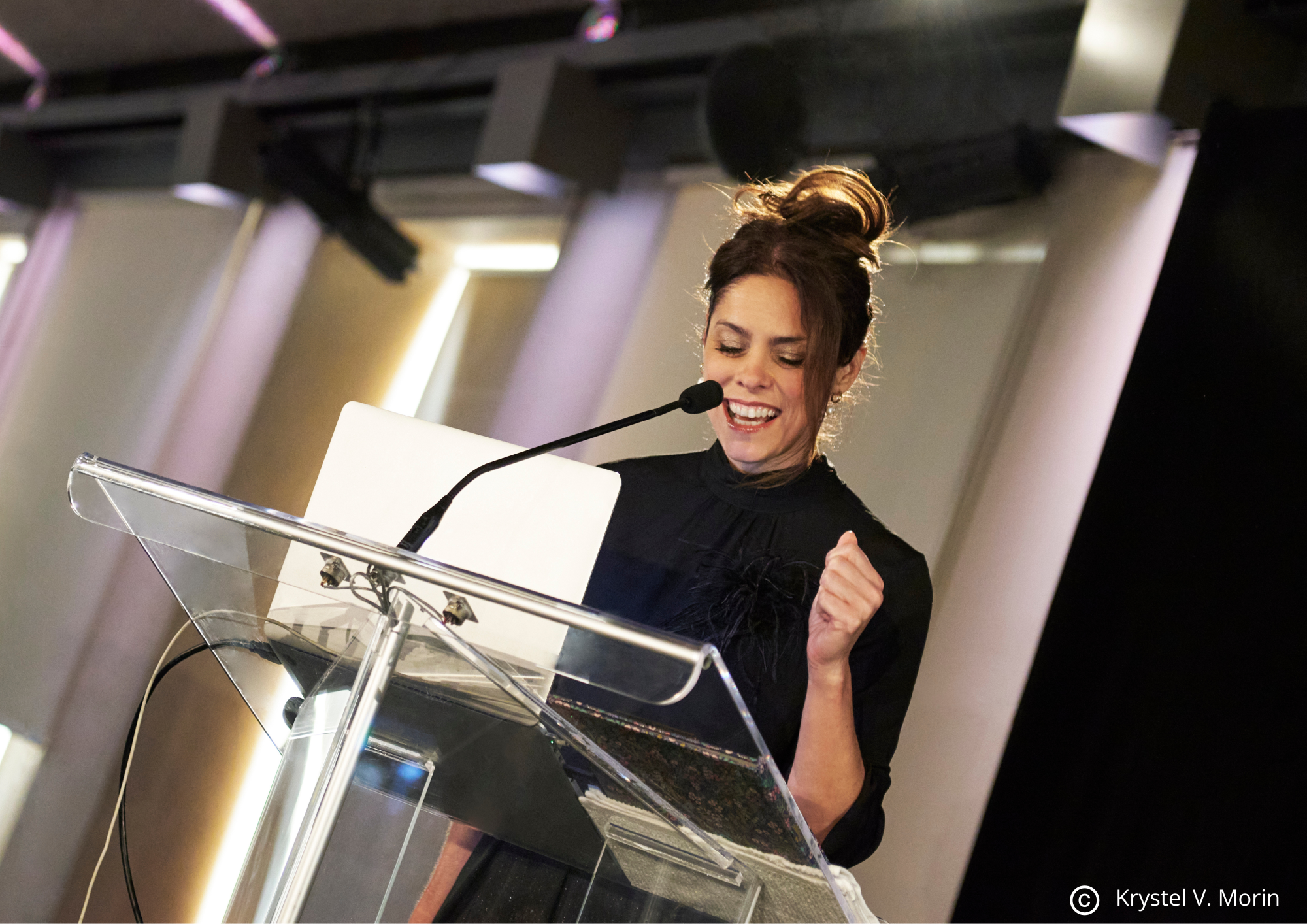
For nearly two decades, Michelle Bouffard has been one of the leading voices at the intersection of wine, education and climate action. Trained first as a classical musician before becoming a sommelier, writer, judge and educator, she has built a multidisciplinary career grounded in curiosity, precision and a deep commitment to the future of the wine industry.
In 2016 she founded Tasting Climate Change, a global conference that brings together producers, communicators, scientists and students to explore the lived realities of climate adaptation and resilience. Ahead of the 2026 edition in Montreal, we sat down with Michelle to trace the origins of her work, the challenges growers are facing today, and the role community plays in helping the industry navigate an increasingly unpredictable climate.
Origins & Early Influences
You began your professional life as a classical musician. What first drew you towards wine, and when did you realise this world could become your home?
I moved to Vancouver in 1996 to complete my bachelor’s degree in classical trumpet, and until then I had earned my money as a musician. However, being in a new city where I didn’t know anyone, I had to find a way to support myself. Working in fine-dining restaurants exposed me to some of the best wines in the world at an early age, and I loved it. I decided to take my WSET 2 just for fun, but it quickly became clear - given the number of hours I spent studying and researching topics beyond the scope of the class - that wine was going to be my new career. I went on to do my sommelier diploma and my WSET diploma and, as we say, the rest is history.
Looking back, were there early experiences or mentors that shaped your way of tasting, learning and paying attention?
I was extremely fortunate to be surrounded early in my career by knowledgeable, grounded, and generous people who encouraged and supported me. Mark Davidson, now Wine Australia’s North American educator, and Barb Philipp MW, buyer for the British Columbia monopoly (BCLDB), were among my first mentors.
My first job in the wine industry began when I was 24, working in a private wine shop called Marquis Wine Cellars where I managed the French portfolio. We purchased directly from producers, meaning I was responsible for buying Burgundy and Bordeaux futures, and bringing in extraordinary wines such as Trévallon and Grange des Pères. It gave me the opportunity to meet great producers and visit top estates like Domaine de la Romanée-Conti and Armand Rousseau very early in my career - experiences that shaped my benchmarks. It was a different time, and it’s unfortunate that such access is now much harder for young people entering the industry.
How does your musical training continue to influence the way you interpret wine today?
It’s a combination of intuition, discipline and hard work. Talent matters, but ultimately it’s the work you’re willing to put in that leads to success.
Crafting a Multidisciplinary Path
Your career spans educator, consultant, writer, presenter, speaker and judge. What connects these roles for you?
A desire to share knowledge and passion through communication — and hopefully to connect with people.
You’ve lived and worked across Quebec, British Columbia and abroad. How has that movement shaped your understanding of wine and community?
The greatest asset has been learning from others and building a network shaped by diverse cultures and approaches. It changes the way you see things and reminds you that there are many ways to achieve the same goal. Communication becomes easier when you understand someone’s background. That cultural diversity is what makes the wine industry so rich.
At what point did you feel your work shifted from participating in the wine world to helping shape its conversations?
When I started teaching after completing my sommelier diploma in 2005. Sharing knowledge is one of the most powerful ways to shape the conversation.
When Climate Becomes the Work
What was the turning point that made climate change the central focus of your work?
I started to be concerned about climate change in 2005. At the time, I was completing my WSET Diploma and chose climate change as the topic for my final paper. Very little had been written on the subject within the wine industry. I told myself that when I grew older, gained more knowledge and built more connections, I would create a project focused on solutions that help the industry adapt and mitigate climate change. I created Tasting Climate Change in 2016, and held the first conference in 2017.
In your conversations with growers around the world, what patterns or concerns feel most urgent today?
Increasing extremes in weather bring major challenges: loss of production due to hail, frost, fire, flooding, increased disease pressure and water scarcity. The unpredictability from one year to the next makes it difficult to be financially sustainable. For many regions, access to water will be one of the most significant challenges in the future.
What remains most misunderstood about climate risk and long-term resilience?
People often want it to be black and white - that some regions will benefit and others will suffer. It’s not that simple. Even cooler regions like Quebec are finding it difficult. You might have an exceptional year thanks to warmer temperatures, only to face frost or flooding the next. Climate change is challenging everyone. And there is no single solution; real resilience requires a range of strategies working together.
Building the Tasting Climate Change Movement
When you founded Tasting Climate Change, what gap were you responding to?
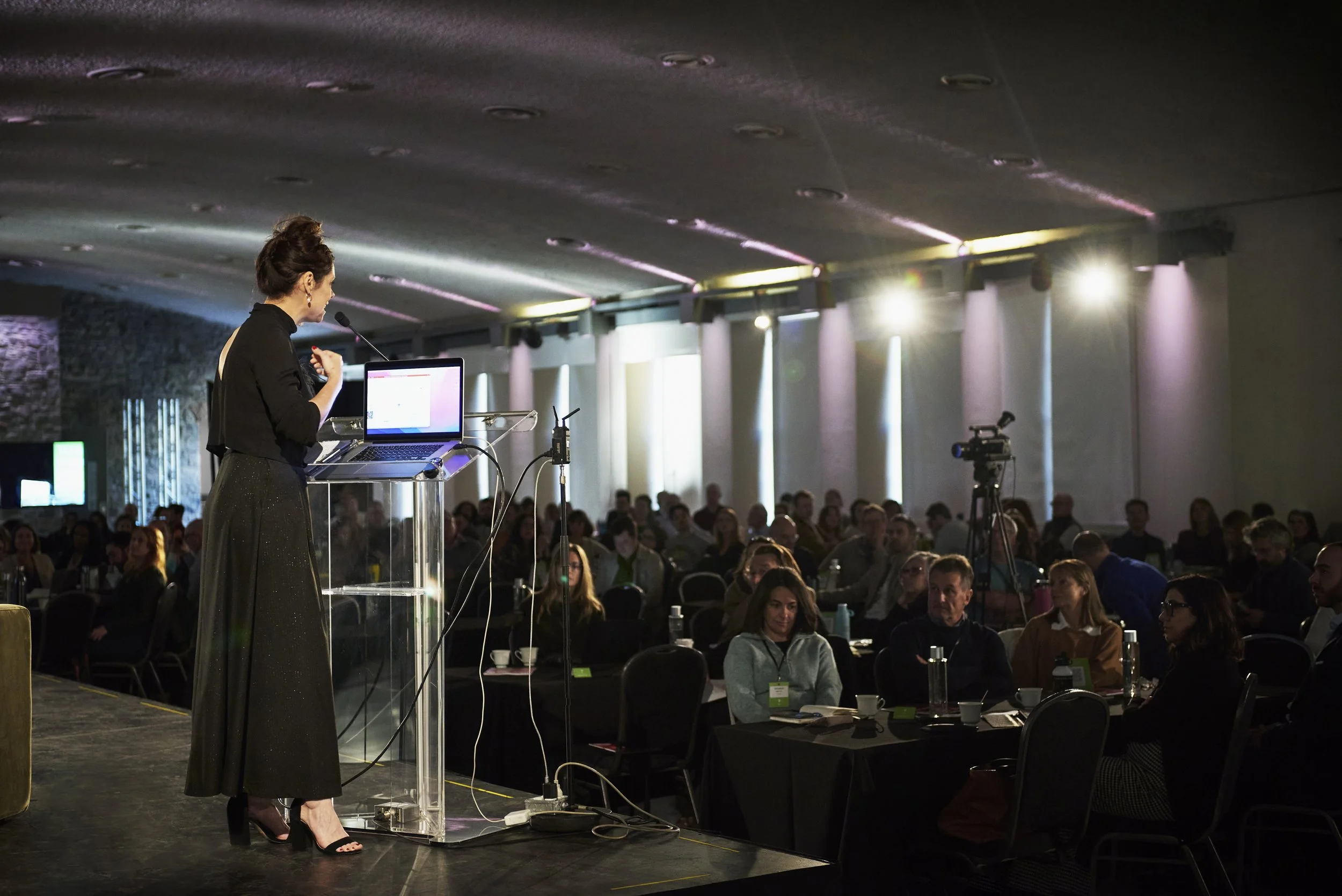
I wanted to bring the entire industry together - from vineyard to glass - so we could better understand each other’s realities and explore solutions collectively. That meant creating a room where producers, sommeliers, journalists, buyers, students, bottlers, cork makers and many others could learn from one another.
As the conference has evolved, what moments or insights have stayed with you most strongly?
Understanding the role of soil health with Marc-André Selosse has been a major highlight. It’s also become clear that regenerative viticulture is the way forward - the new golden standard. When producers adopt it, it strengthens resilience, increases carbon capture and benefits communities and workers.
There are many memorable moments, but what inspires me most is seeing the positive impact the wine industry can have in the climate crisis - and the opportunity to engage consumers so they feel part of the solution.
Looking ahead to the 2026 edition in Montreal, which themes feel essential to explore?
We will again highlight the importance of regenerative viticulture, alongside measures to adapt to extreme conditions and build sustainable vineyards. Water management will be central.
Consumers - particularly younger generations - care deeply about the environment, but we are not communicating effectively. We often struggle to explain which products are sustainably made and why. Nathalie Spielman PhD will speak about the messaging needed to connect meaningfully with consumers, and we will explore the role communicators play in guiding them. As always, the conference covers the entire journey from vineyard to glass.
Are there new voices or regions you’re hoping to spotlight this year?
We can learn a great deal from countries like South Africa, which are already experiencing extreme conditions — having Rosa Kruger with us is very exciting. We’ll also explore emerging regions developing as a result of climate change.
For the first time, we’re adding a full day of four masterclasses. Through the glass, we’ll explore what we can learn from old vines, and from strategies being implemented in South Africa, California and Chianti Classico.
Collective Action & What Comes Next
You emphasise collaboration as essential to progress. What examples of meaningful collective action have inspired you recently?
I know many producers who have stayed in touch after meeting at Tasting Climate Change to exchange ideas and share solutions. One producer, initially opposed to hybrids, travelled to Italy after the conference to visit a specialist hybrid producer and learn more. Another example is Kler-Yann Bouteiller, a sommelier instructor who has introduced initiatives for his students to reduce their carbon footprint by the end of the year.
Looking ahead, where do you see the most meaningful momentum — and what gives you hope for the next decade?
Hope lies in building communities and sharing resources. This is especially important today, when climate change is often pushed aside in favour of economic priorities. We cannot be financially sustainable in the long term without being climate-resilient. We shouldn’t underestimate the power we have to build a better future when we work together — the strength of the wine industry is precisely its community.