Balance and Time: In Conversation with Rosemary Cakebread
Following a recent lunch and tasting in London, hosted by Flint Wines at Twenty8 NoMad, Between the Vines editor Tom Owtram sat down with Rosemary Cakebread to reflect on her journey and the experiences that have shaped her approach to winemaking.
Founded in 2017, Gallica Wines is the culmination of decades spent working at some of Napa Valley’s most respected estates, including Mumm Napa Valley and Spottswoode. The project reflects Rosemary’s instinctive, site-led approach, drawing on both her own estate vineyard in St. Helena and carefully selected old-vine sites across California.
The tasting brought together a selection of her wines — including the 2023 Albariño, 2021 Grenache and 2016 Cabernet Franc — alongside a vertical of Cabernet Sauvignon, offering a window into both her philosophy and the passage of time in the glass. It provided a natural setting for a wider conversation on farming, old vines and the future of Napa Valley.
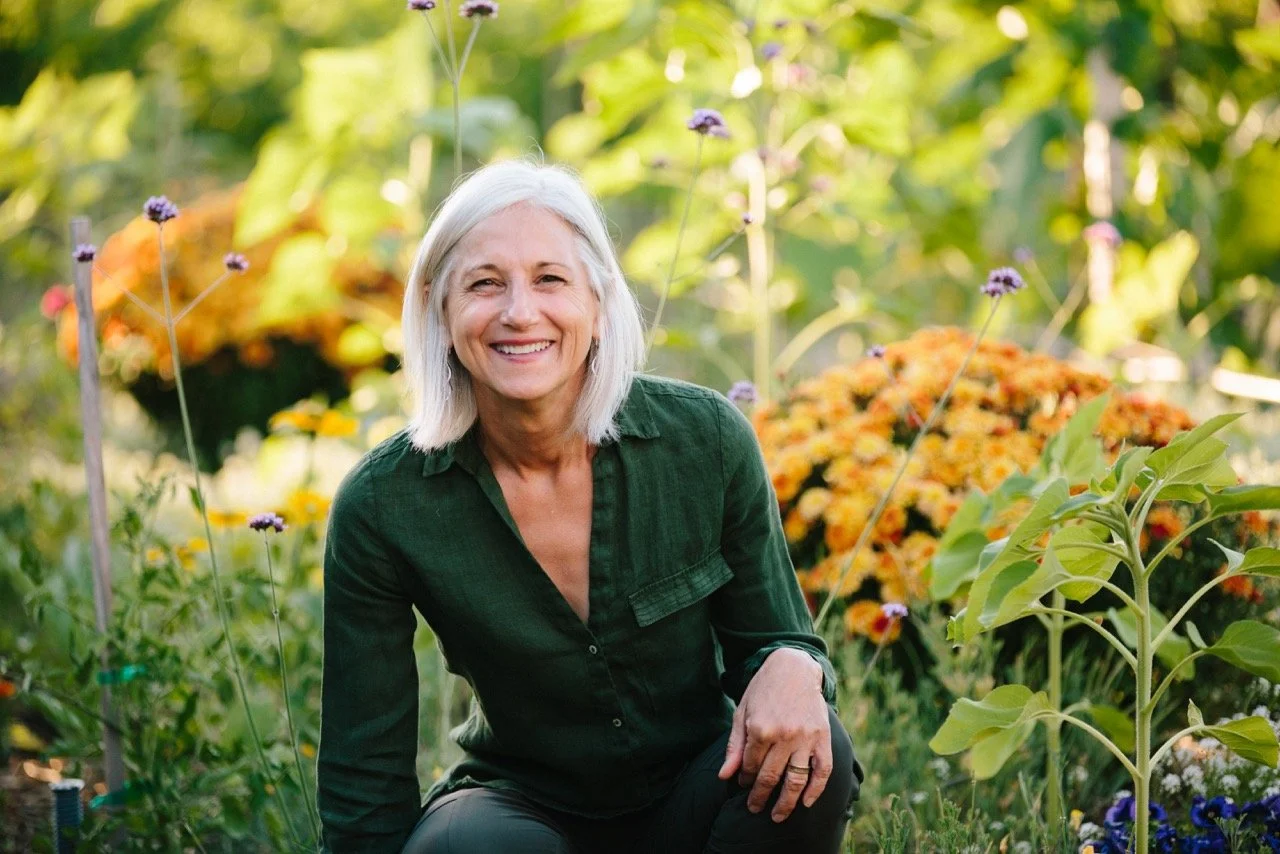
Photo credit: Gallica Wines
From Sparkling to Napa
Tom Owtram: Your career began in sparkling wine with Mumm Napa Valley. How did that shape your understanding of winemaking?
Rosemary Cakebread: My experience in sparkling wine was really a foundation in aromatics, tension and patience. I was part of the inaugural team at Mumm Napa Valley, working alongside Guy Devaux, and was immersed in every element of production — from acquiring vineyards to building the facility and crafting the wines that would define the house.
It took me to Champagne, into blending sessions with French winemakers, and across Napa Valley scouting new sites. What stayed with me is that great wine takes time — and that sparkling wine, at its heart, is about joy, celebration and bringing people together. I’m always keen for a glass of bubbles.
The Spottswoode Years
Tom: Spottswoode was certified organic in 1987, ahead of much of Napa. How did working within this estate influence your philosophy as a winemaker?
Rosemary: To work alongside a true pioneer is an honour — especially one brave enough to do things its own way. Spottswoode is a family-owned estate deeply committed to farming, community and craft. Mary Novak was an incredible influence — positive, intuitive and deeply human in her approach. That sense of care — for the land, for people and for the wine — has stayed with me ever since.
Creating Gallica
Tom: What gave you the confidence to start Gallica? Did it feel like creative freedom, or more like a responsibility to express something of your own?
Rosemary: It came from a desire to explore — both new grape varieties and the potential of our own vineyard. Throughout my career, I was often drawn to projects at a formative stage, where there was a blank canvas.
Starting Gallica wasn’t a highly calculated move. It was more instinctive — one step at a time, shaped by the people I’d worked with and the opportunities that came my way. Being in Napa Valley, at the right time, certainly played a role.
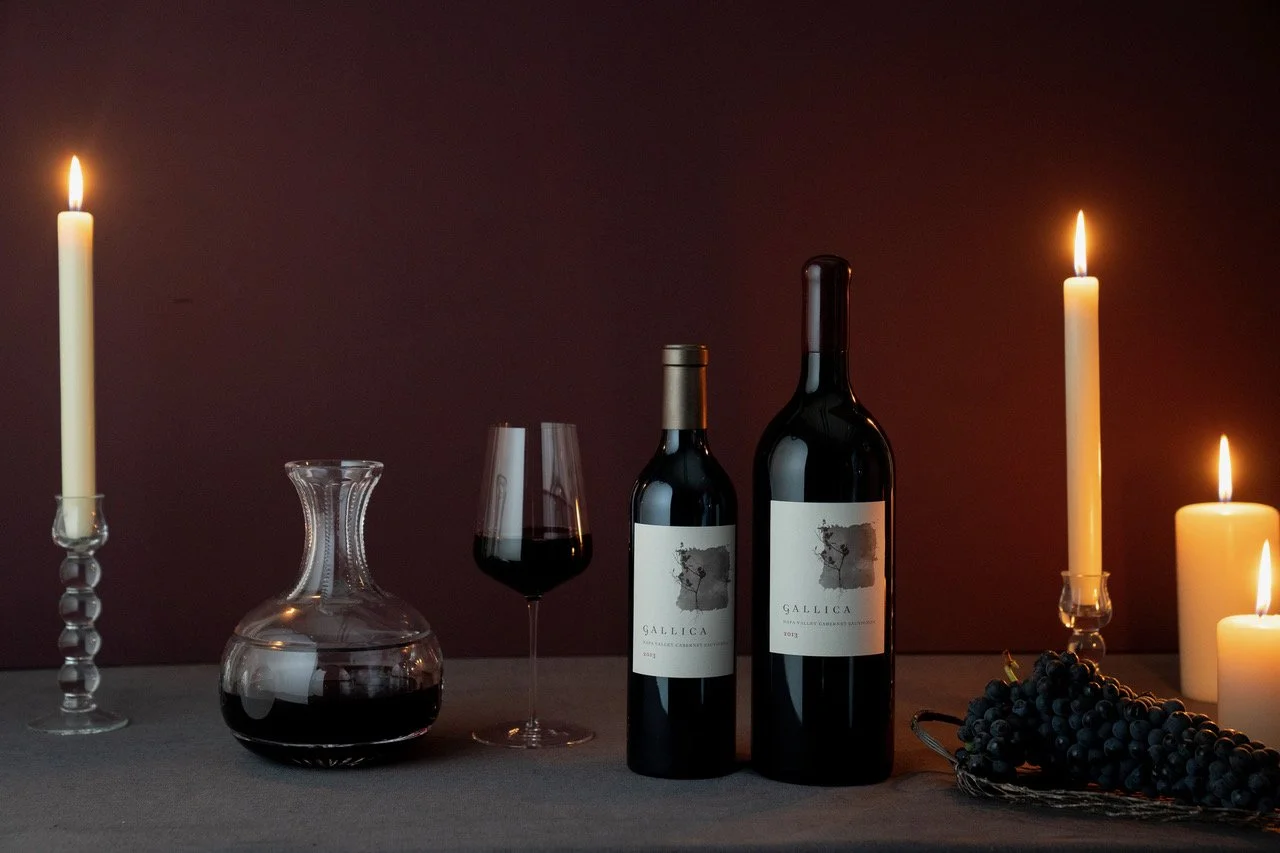
Photo credit: Gallica Wines
Rediscovering Old Vine Sites
Tom: You have worked with historic vineyards in places such as Lodi. What drew you to those sites, and what do you feel they offer that younger vineyards cannot?
Rosemary: I’ve been fortunate to work with vineyards over 80 years old, often knowing the families who planted them. There’s a continuity there — a sense of living history.
From a wine perspective, these vines were planted before modern irrigation and trellising. Their roots run deep, drawing from the soil in a way that brings both resilience and a more defined sense of place. You can feel that in the wine.
Head-Trained Vines
Tom: You have a preference for head-trained vines without trellising. What do you see in those vineyards that feels distinct? What responsibility comes with working with vines that are 60 or 70 years old?
Rosemary: The wines of head-trained vineyards are what first caught my attention. It’s difficult to quantify exactly what the planting style contributes, but what I’ve observed is that each vine becomes its own personality, often showing greater resilience than its trellised neighbours.
Working with old vines immerses you in vineyards with little to no irrigation or trellising. Each vine becomes almost like a bonsai, revealing how microclimates within a block can shift the health and expression of a single plant. The canopy forms an umbrella, offering natural protection during heat spikes in a way that feels intuitive.
With that comes both responsibility and opportunity. On our site, we’ve seen Petite Sirah vines planted in the 1950s prove more resilient than nearby Cabernet Sauvignon in challenging conditions. Observations like that continue to guide the decisions we make.
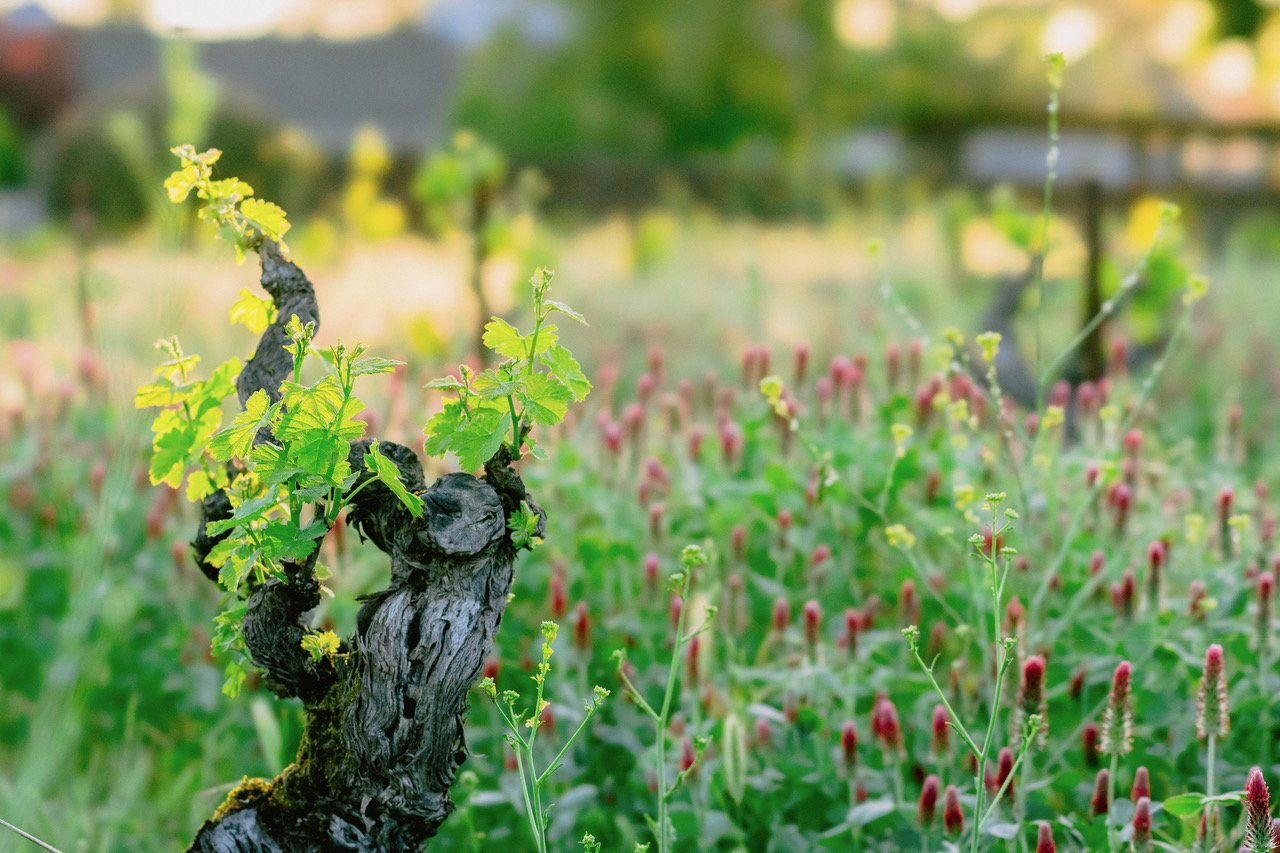
Photo credit: Gallica Wines
A Love Affair with Albariño
Tom: You speak about Albariño with a clear affection. What continues to captivate you about this variety?
Rosemary: Albariño charms me with its mineral clarity, floral lift and crisp precision. What fascinates me is its ability to evoke the seaside — even when grown inland.
In Northern California, it seems to turn sunshine into tension. There’s a reliability to its expression, but also a sense of elegance that I find incredibly compelling.
Farming and Food
Tom: Living on a farm and growing much of what you eat must shape your understanding of flavour. How does that closeness to produce influence the wines you make?
Rosemary: We’re lucky to live somewhere with year-round produce. My husband Bruce grows a beautiful garden — and while I tend to the flowers, he does the cooking.
There’s something very grounding about growing and sharing food. It naturally influences how you think about flavour. Wine is food’s companion — whether it’s something complex or simply a perfectly ripe tomato.
Soil and Cabernet
Tom: When you walk a vineyard, what are you looking for? And how does Cabernet Franc express site differently from Cabernet Sauvignon?
Rosemary: It takes years of working with a site to truly understand its relationship with the wine it produces. When I walk a vineyard, I’m looking for balance — between fruit and canopy — and overall vine health.
I also look for life: bees, ladybirds, healthy soils, native plants. Cabernet Franc tends to favour fractured soils with some clay and can be more temperamental if planted in the wrong place.
Designed for Ageing
Tom: Cabernet Sauvignon often requires years to reveal itself fully. In a culture that favours immediacy, how do you communicate the value of patience?
Rosemary: I let the wine speak. I’ve kept a library of wines from each vintage and regularly revisit them.
Those tastings are the best reminder that ageing is never linear, and that each vintage evolves differently. It’s also the most effective way to show why patience matters.
Instinct and Data
Tom: As forecasting technology becomes more sophisticated, how do you balance instinct with data in the vineyard?
Rosemary: Data is essential — it helps guide decisions and avoid costly mistakes. Weather data and soil analysis are incredibly valuable.
But there’s no substitute for being out in the vineyard. Observation and intuition still play a vital role. Organic farming, in particular, requires that level of attentiveness.
Replanting for the Future
Tom: As vineyards are replanted, which decisions feel most significant today? Are you planting differently than you would have twenty years ago?
Rosemary: This is the question of the moment. We’re thinking not just about today, but about what the next 20 or 30 years will look like.
We’re considering climate variability, soil health and whether what we plant will remain relevant. In some ways, we’re returning to earlier approaches — dry farming and head-trained vines — but with a new perspective shaped by experience.
Community
Tom: How important is collective knowledge in Napa today? What does community look like in practice?
Rosemary: It’s vital. I rely on family, neighbours and friends to exchange ideas and support one another.
We’ve learned, especially through wildfires, that resilience is collective. Community is what drew me into wine — and what has kept me here.
Purity and Balance
Purity and Balance
Tom: Your wines are often associated with purity. In a region sometimes defined by scale and power, how do you define restraint?
Rosemary: I prefer to think in terms of balance rather than restraint. “Restraint” can imply holding something back.
For me, it’s about creating wines that sit between approachability and longevity — wines that evolve over time and tell their own story.
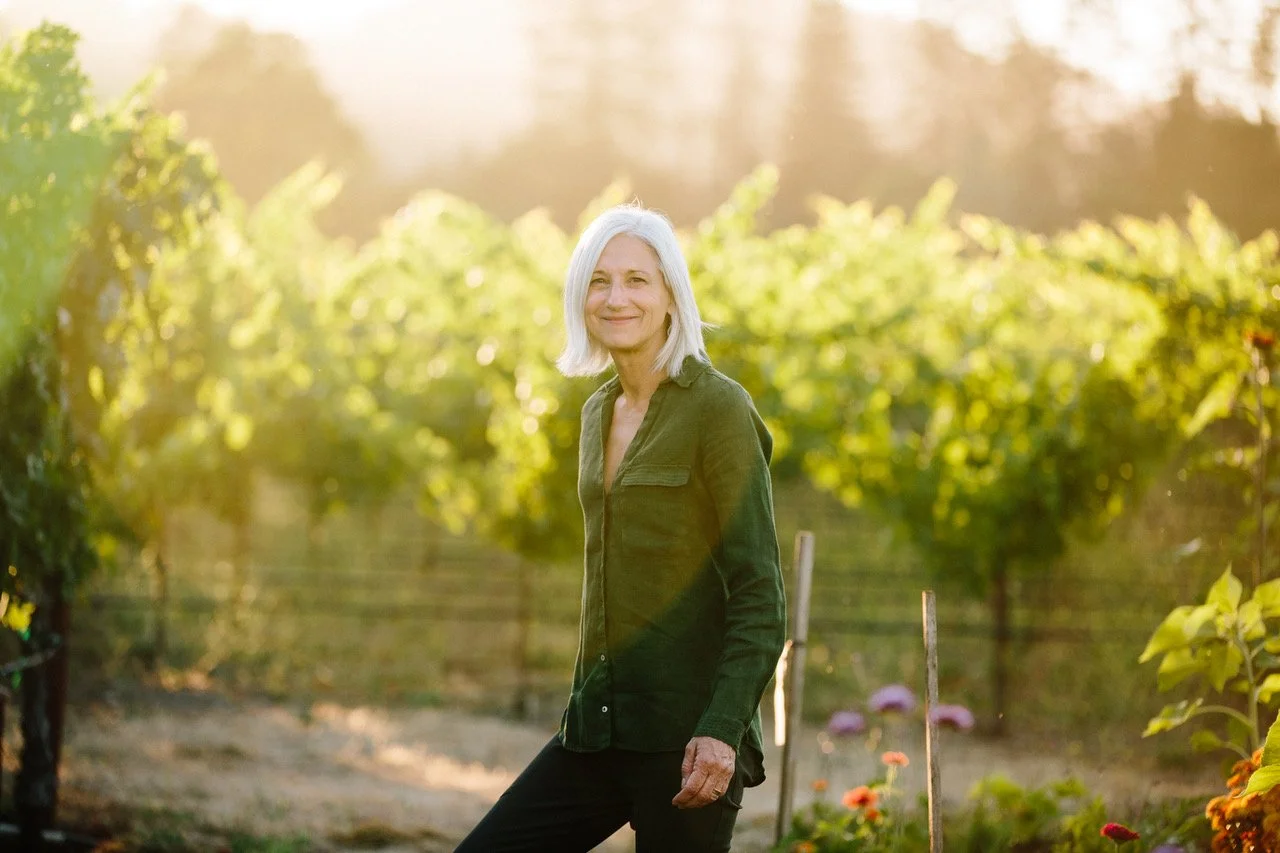
Photo credit: Gallica Wines
Looking Forward
Tom: After decades in Napa, what continues to excite and motivate you?
Rosemary: We’re introducing Chenin Blanc for the first time, which is incredibly exciting. At the same time, we’re replanting our estate vineyard, revisiting decisions we haven’t questioned in decades.
There’s also so much inspiring work happening around the world. It’s easy to stay motivated when you’re constantly learning.
Closing
Tom Owtram: If you had to describe your wines in three words — philosophically — what would they be?
Rosemary:
Balance. Grounded. Memorable.
UK Representation
Rosemary Cakebread’s wines are represented in the UK by Flint Wines, who work closely with a portfolio of producers across the world.
Explore the range: https://www.flintwines.com/producers/gallica