In Conversation: Justine Saurigny on why wine should feel accessible
At Forza Wine, wine is approached with a sense of ease — something to be shared without unnecessary complexity.
For Justine Saurigny, that perspective has been shaped both by growing up in the Loire Valley, where wine was simply part of everyday life, and by years spent on the restaurant floor in London, learning how to guide guests in a way that feels intuitive and unforced.
In conversation with Between the Vines editor Tom Owtram, she reflects on her journey into hospitality, the evolving perception of natural wine, and why understanding the person in front of you matters more than anything else.
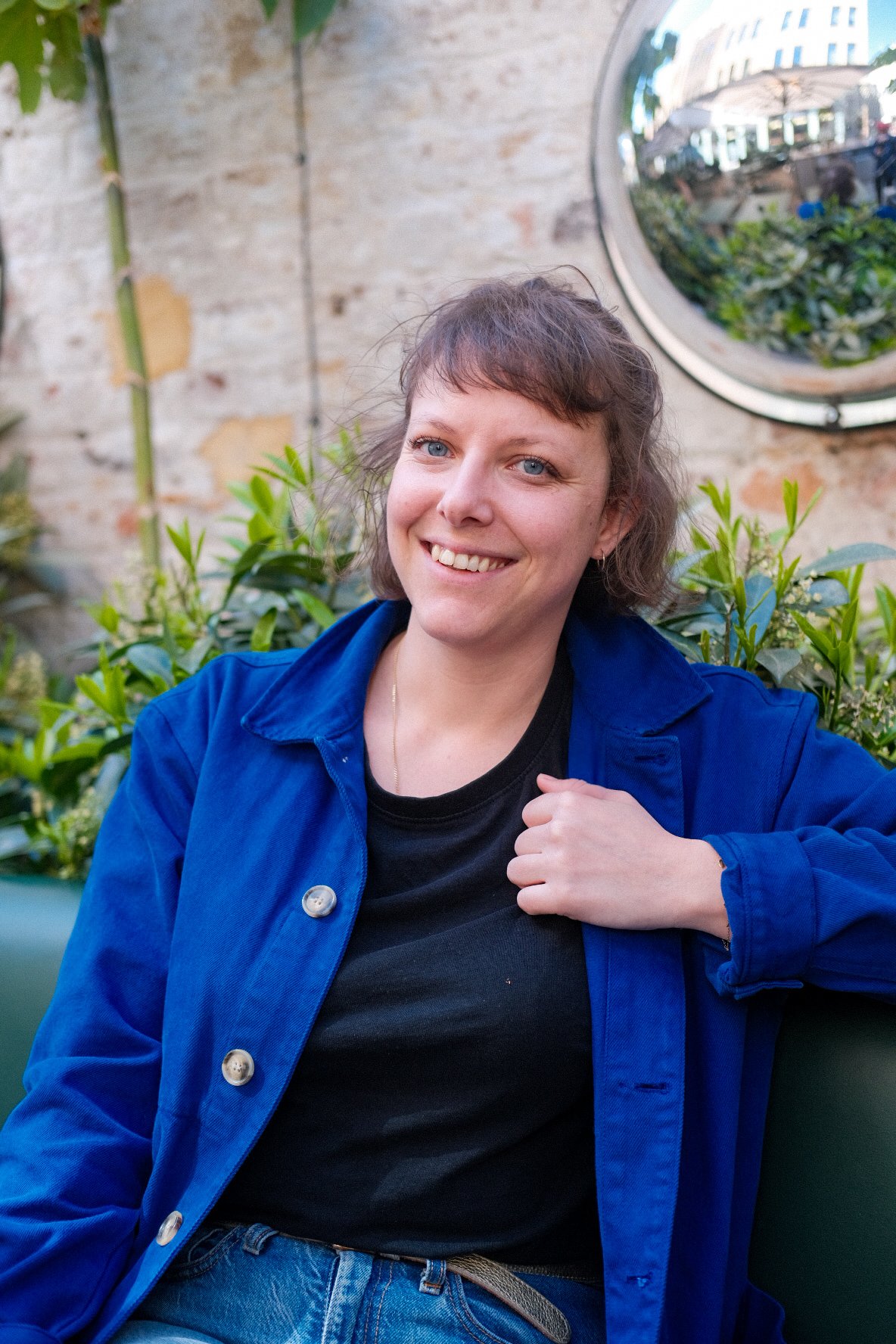
Photo Credit: Forza Wine
To begin, tell me a little about your journey into wine and hospitality.
I started in hospitality in 2015, while I was still at university. It was meant to be a summer job — I found a role in a seafood restaurant by the seaside in northwest France, just south of Brittany.
On my first busy shift, I was thrown into a full section without really knowing what I was doing, and I loved it. That was the moment everything clicked.
After that, I kept working weekends alongside my studies, but quite quickly I realised I wasn’t enjoying university anymore. I stopped going and took on a management role in France. What started as something temporary became something I genuinely cared about — and I’ve stayed in it ever since.
And was there a particular moment, or perhaps a bottle, that made you realise wine could become your profession?
Not one specific moment — it’s more that I grew up around it.
I’m from the Loire Valley, so wine was always part of life. My dad is very passionate about it, and my uncle is a winemaker. He started his own vineyard in 2001, and I grew up visiting him — first just being around it, then later tasting and talking about wine with him.
So it’s always been there. It felt natural to move closer to it over time.
When you moved to London, how did things begin to shift for you professionally?
Before moving to London in 2019, I’d worked in cocktail bars and restaurants, but not in wine-focused places.
Forza was the first wine bar I worked in, and that’s where things changed. I already knew what I liked to drink, but there I learned how to choose wine for other people — how to understand what they might enjoy.
That’s when wine became something more than a personal interest. It became a profession.
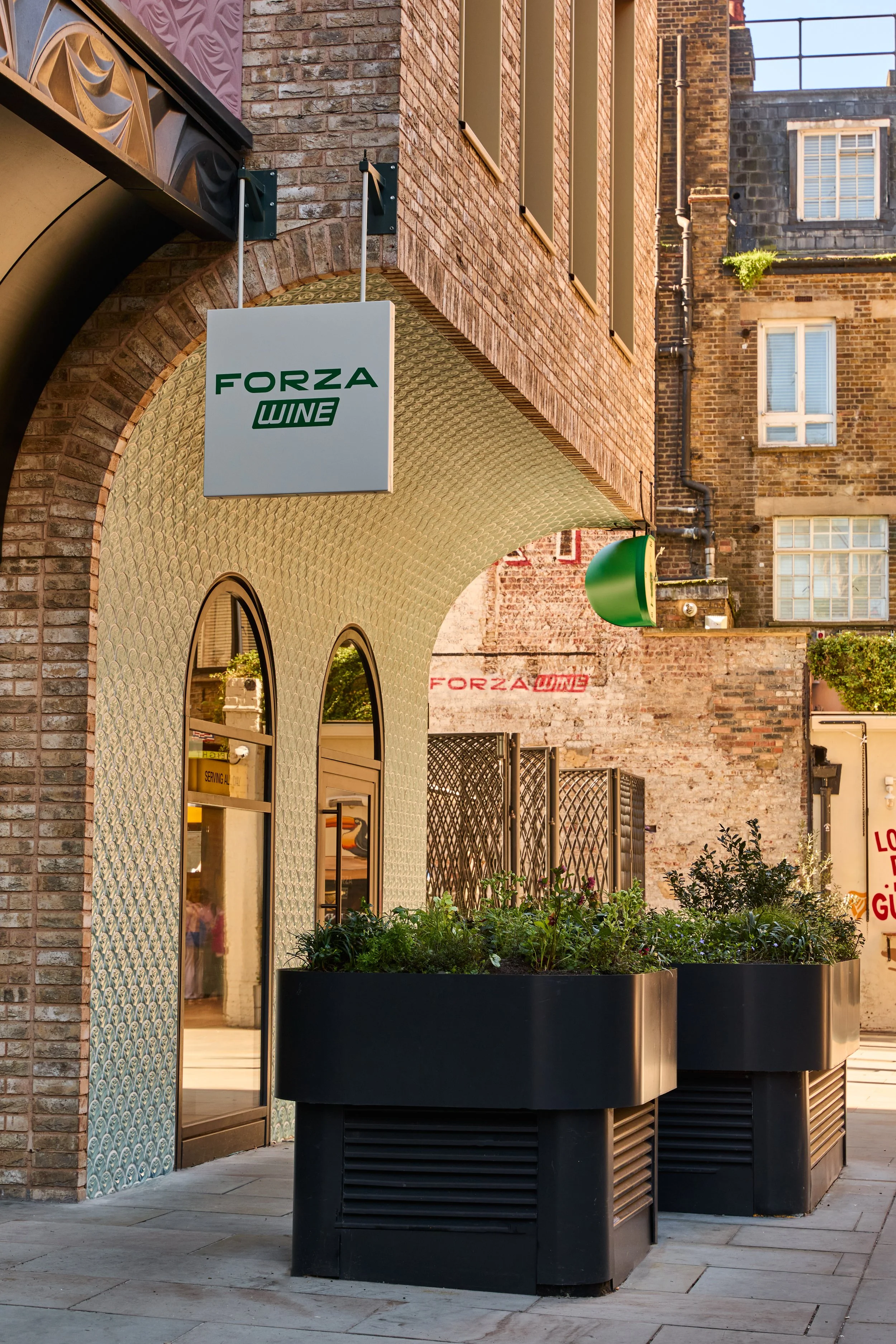
Photo Credit: Forza Wine
And in terms of learning, has that been largely shaped by experience rather than formal training?
It’s been entirely on the job. I haven’t done formal courses or qualifications.
I wouldn’t describe myself as a traditional wine professional. I’m passionate about it, but everything I know comes from tasting, from service, from working with people.
How would you describe the philosophy behind the wine list, and what tends to guide your decisions when curating it?
Accessibility is the most important thing.
We don’t want people to feel like they need to study wine before they can enjoy it. That applies to how we talk about wine and also to pricing—we want it to feel approachable.
Because the list is quite small, balance is also key. We need something for everyone: something mineral, something fresh, something more structured. It has to work as a whole.
Does working with a more focused list shape that approach in any particular way?
It does — but it also keeps things interesting.
We change wines regularly, usually every couple of weeks. That keeps the list alive for regular guests, but it also means constant training for the team.
It’s more work, but it means the list never feels static.
When thinking about the list, do you tend to approach it more through style than region?
More in terms of style.
If someone asks for something like Bordeaux, it’s often about what they’re looking for in the wine — structure, weight, tannin. If we don’t have Bordeaux, we can still find something that delivers a similar experience.
Most people aren’t looking for a region — they’re looking for a feeling.
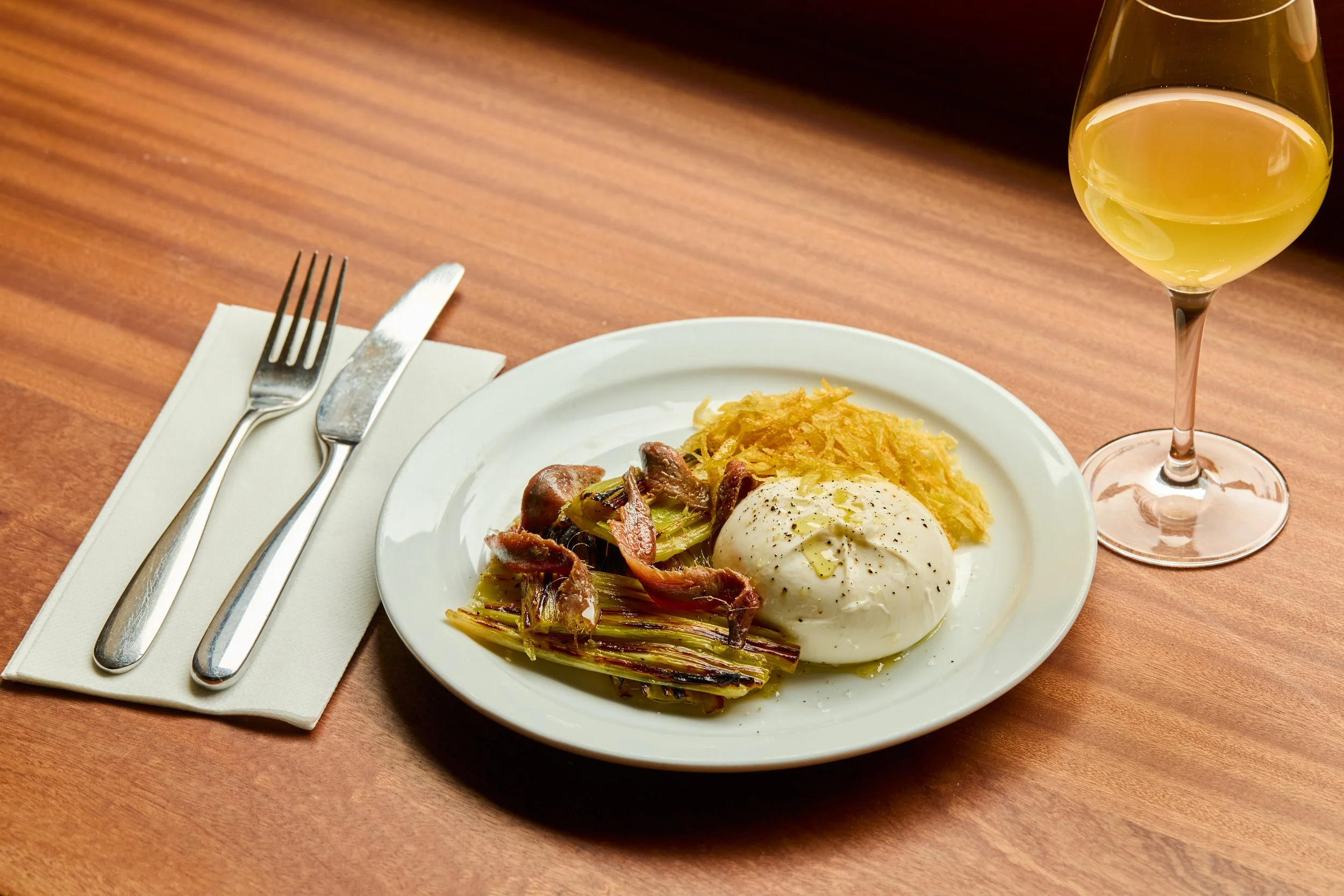
Photo Credit: Forza Wine
And how important is the wider team in shaping the experience for guests?
It’s essential.
We do tastings and briefings all the time, and we encourage the team to taste as much as possible. Before opening, we even hosted a small wine fair with our suppliers so everyone could try most of the list.
I don’t want people repeating tasting notes. I want them to speak from experience — what they like, what they connect with. Guests respond to that straight away.
How do you think about the role of conversation and storytelling when engaging with guests?
It depends on the guest.
Some people want to talk about wine, others just want a glass — and both are completely valid. Our job is to read that.
But when people are curious, storytelling can really enhance the experience — especially with small producers. When there’s a story behind a wine, people remember it.
How important are your relationships with suppliers in shaping the programme?
Very important.
We work with a core group of suppliers, some of whom we’ve known for years. They understand what we’re doing, and we work closely with them on tastings and selections.
With a small list, you can’t work with too many suppliers because of minimum orders, so those relationships really matter.
How has your approach evolved across the different Forza sites?
Each site has been different.
Peckham felt more like a neighbourhood restaurant, where we could be more experimental. The National Theatre had a broader audience — people coming before a show — so the list needed to be more classic.
Soho sits somewhere in between. It’s a balance of both.
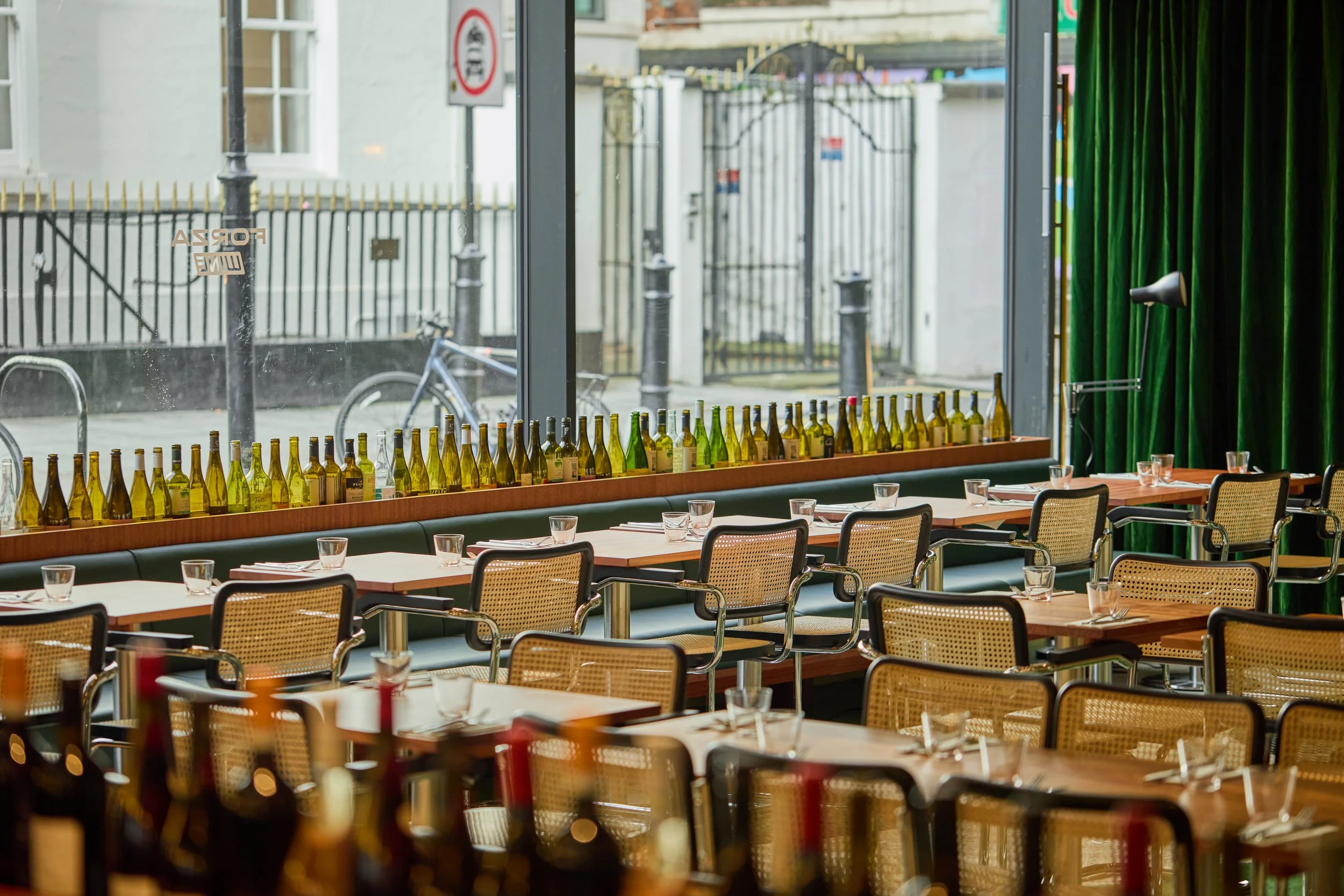
Photo Credit: Forza Wine
Have you noticed a shift in how guests engage with natural wine?
Definitely.
When I first started, people would often say they didn’t like natural wine. Now, that happens much less.
The category has evolved — there’s more clean, precise wine — and people are more open to trying new things.
Looking ahead, how do you feel about the future of wine bars and the wider culture?
I am optimistic.
People will always want to drink wine. The challenge is making it accessible — both in terms of price and understanding.
Wine on tap is a good example. It’s more sustainable, more affordable, and allows us to serve high-quality wines at better prices.
And finally, what are you pouring at the moment that feels most representative of Forza?
Light, drinkable wines — especially chilled reds.
As soon as there’s a bit of sun, those fly. We have wines that are fresh, juicy, easy to drink — those are always the most popular.
The best wines are often the ones you don’t have to overthink.
Discover More
Forza Wine
London
forzawine.com